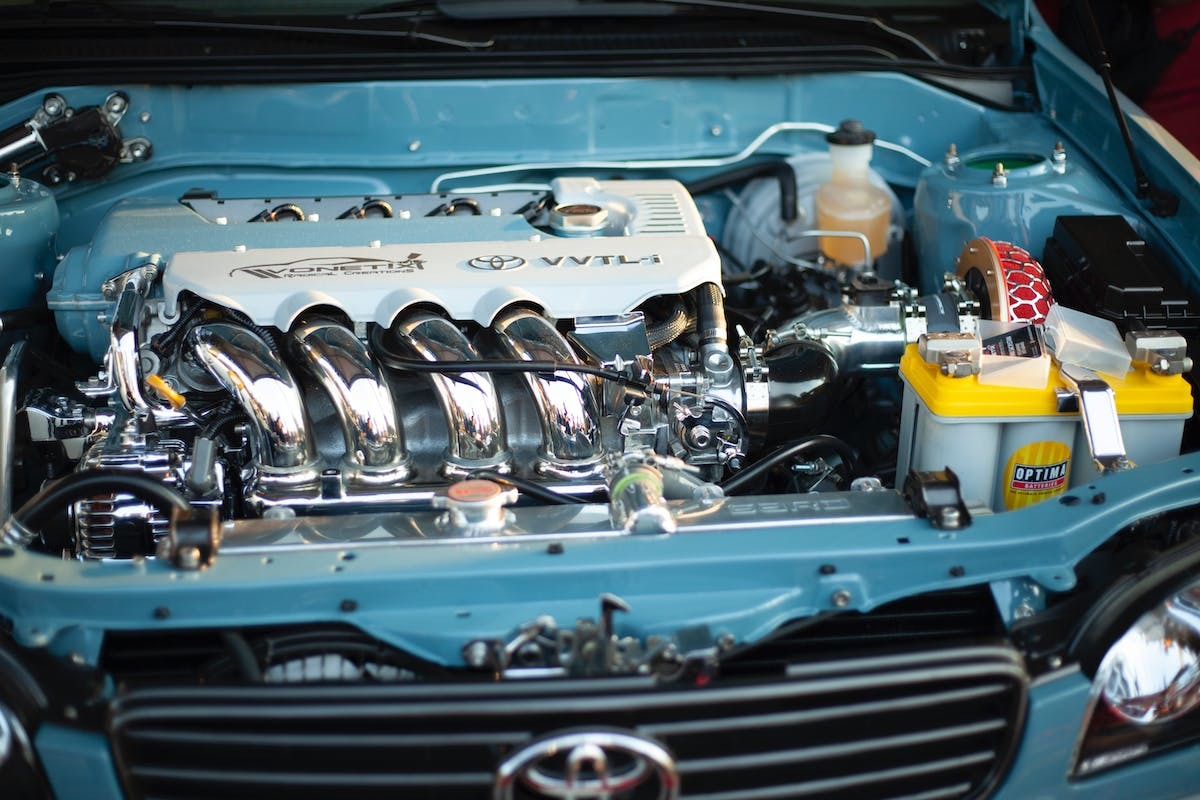
Dissecting the mysteries of engine remapping means entering a complex and fascinating world where every detail matters. From the first phase, or stage 1, to the second phase, or stage 2, each step involves specific and meticulous modifications. Stage 1 mainly focuses on optimizing the engine software to increase power and torque. In contrast, stage 2 goes further by making hardware modifications to the vehicle, such as installing a new exhaust system or a more efficient turbocharger. Understanding these stages can help better grasp the advantages and disadvantages of each remapping phase.
Engine Remapping: The Foundations of Power
Once you have chosen the stage 1 of engine remapping, you will enjoy a significant performance improvement. With an increase in engine power and torque, your vehicle will be more responsive and offer a more dynamic acceleration. You will thus feel an enhanced sense of power during overtaking on the highway or during initial accelerations at traffic lights.
Beyond performance improvements, stage 1 can also bring benefits in terms of driving pleasure. The optimized electronic management will allow for a smoother engine operation, with fewer flat spots in acceleration. This will result in a more enjoyable and comfortable driving experience.
Stage 1: The Benefits of a First Step
Now let’s move on to stage 2 of engine remapping, which represents an additional step in the performance optimization of your vehicle. Unlike stage 1, stage 2 involves more advanced modifications and a higher level of intervention on the engine’s electronic system.
One of the main differentiators between these two stages lies in a more significant increase in power. Indeed, with stage 2, you can expect an even more substantial increase in torque and engine power compared to stage 1. This will translate into enhanced performance and even more explosive acceleration.
Beyond this notable performance increase, stage 2 also offers other advantages. The advanced electronic management allows you to fully leverage the modifications made, finely adjusting the engine parameters to ensure optimal operation. You will thus feel a better responsiveness when pressing the accelerator.
Thanks to the improvements brought by stage 2, your vehicle will be able to handle demanding road conditions with greater ease. Whether for quick overtaking or climbing hills effortlessly, you will find that your car responds quickly to your requests.
You should note that transitioning to stage 2 often requires certain hardware modifications. For example, it may be recommended to install an upgraded exhaust system or to strengthen engine components to support the higher power levels. This is essential to ensure optimal reliability and avoid any risk of premature component wear.
Stage 2: Amplified Performance
In our previous article, we explored the different stages of engine remapping, particularly emphasizing the benefits it can offer to vehicle owners. Like any modification in the automotive field, it is important to carefully examine the risks and limitations associated with this practice.
It is crucial to highlight that engine remapping can lead to a significant increase in vehicle performance. This generally translates into a rise in engine power and torque, providing an enhanced sensation while driving. These improvements can also put the engine under additional stress.
Indeed, when you increase the performance of an engine through remapping, you are putting more strain on its internal components such as pistons, valves, and turbochargers. If your car is not designed to handle such additional load, it could lead to mechanical damage.
The increase in performance can also have an impact on engine lifespan. Internal parts are subjected to stresses greater than those for which they were originally designed by the automaker.
Engine Remapping: Risks and Limitations to Know
When considering engine remapping, it is important to make a wise choice between stage 1 and stage 2. These two options offer different improvements and cater to specific needs.
Stage 1 generally corresponds to a software modification of the engine control unit, without changing the internal mechanical components. This step allows for optimizing the injection and ignition mapping, resulting in a moderate increase in engine power and torque. The gains achieved with stage 1 can vary depending on the vehicle, but they typically range from 10% to 20%.
On the other hand, if you are looking for more advanced performance, stage 2 might be the option for you. Stage 2 involves not only remapping the engine control unit but also installing new mechanical components such as a sport exhaust or a high-performance air filter. This combination allows for further improving the overall engine performance, particularly by increasing the amount of air admitted into it.
It should be noted that moving to the next level with stage 2 often requires additional modifications to ensure the vehicle operates correctly.
Stage 1 or Stage 2: How to Choose the Right Level
When opting for stage 2, it should be emphasized that transitioning to stage 2 is not without consequences for your vehicle. This modification can lead to an increase in fuel consumption due to the optimization of engine parameters. Similarly, if you use your car in a competitive setting such as racing or rallying, you will need to consider any potential regulatory restrictions that may limit certain modifications.
Before choosing between stage 1 or stage 2 during an engine remapping, it is important to consider performance. An intermediate stage like Stage 1 may be sufficient for those who are simply looking for a moderate improvement, while those who wish to push the limits of their car may turn to a more comprehensive but also more demanding stage 2. In any case, one thing is certain: engine remapping remains an effective solution for enhancing performance and driving pleasure.