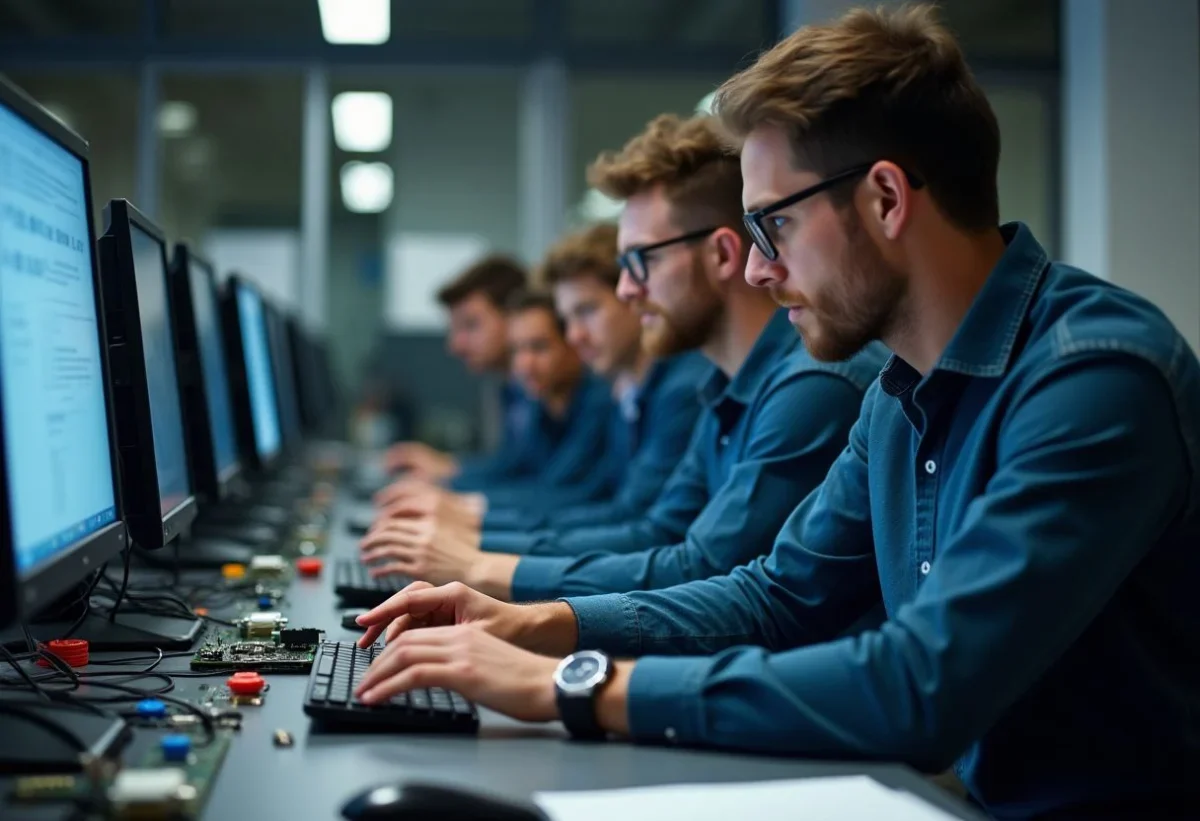
In an increasingly technology-dependent world, computers play an essential role in our daily lives. Whether for personal or professional use, computer maintenance and repair have become sought-after skills. For those interested in this career path, the question arises: what diploma is needed to become a computer repair specialist?
Basic Computer Science Diplomas
To start a career in computer repair, it is generally recommended to have a solid foundation in computer science. Several diplomas allow for the acquisition of this fundamental knowledge.
- Scientific or Technological Baccalaureate: an ideal starting point for future technicians, this diploma provides an understanding of mathematics and physical sciences, essential for developing skills in computer science.
- BTS Digital Systems: this Bac+2 level diploma focuses on computer and electronic systems, offering practical and theoretical training in maintenance and repair.
- DUT Computer Science: equivalent to the BTS, this diploma offers a more theoretical approach to computer science while including aspects of maintenance and troubleshooting.
Specific Professional Training
For those who wish to specialize directly in computer repair, certain professional training programs are more targeted and allow for the acquisition of the specific skills needed.
Computer Maintenance Technician Certificates are particularly valued. These programs, often offered by specialized centers or private schools, focus on practical skills in repair. They generally cover topics such as fault diagnosis, component replacement, and operating system updates.
Additionally, certifications such as CompTIA A+, recognized internationally, validate skills in IT support and maintenance. They provide tangible proof of competence for potential employers and fit perfectly into the career path of any computer repair technician.
The Importance of Internships and Practical Experience
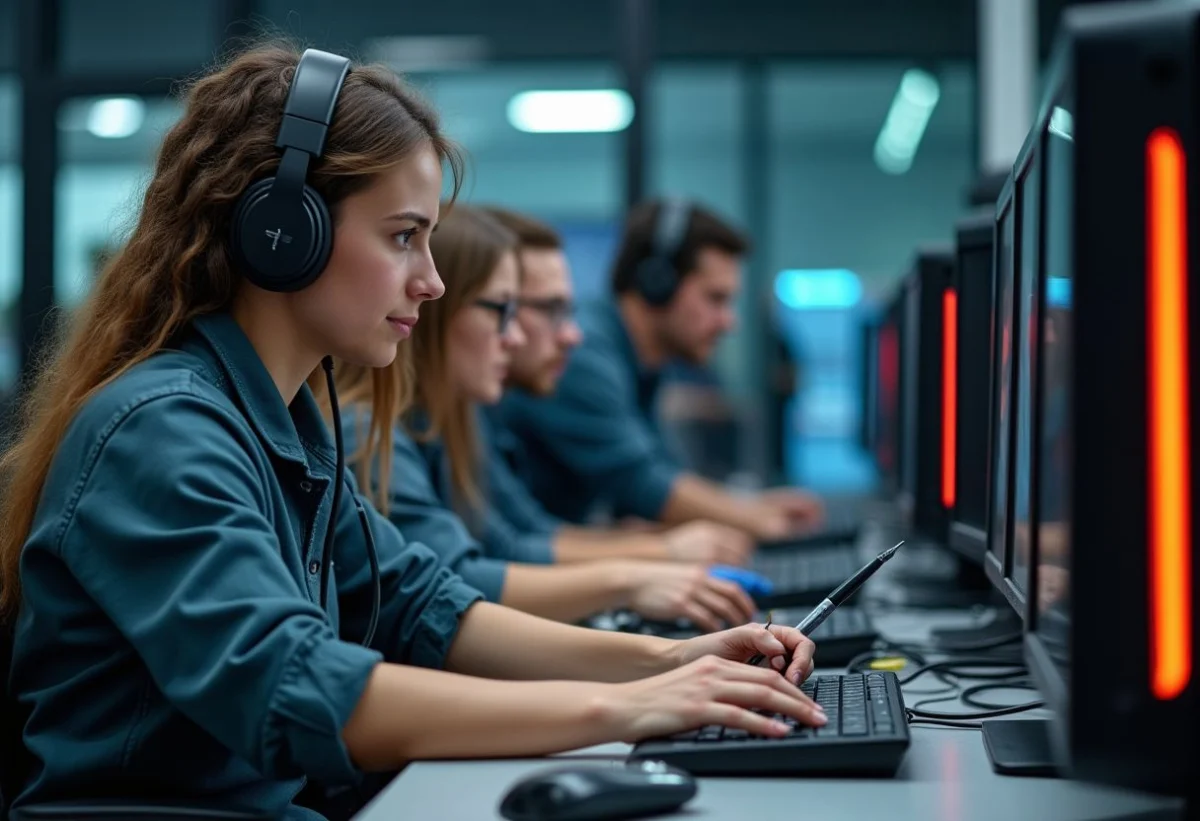
Obtaining a diploma is an essential step, but practical experience is equally crucial for a successful career in computer repair. Internships and apprenticeships offer an invaluable opportunity to apply the theoretical skills learned in class.
Internships allow students to explore different aspects of repair and IT maintenance for SMEs. They provide direct exposure to the daily challenges faced by technicians while offering valuable experience to build a professional network.
Transferable Skills and Continuous Development
While a diploma and practical experience are key elements to becoming a computer repair technician, transferable skills also play a crucial role in professional success. Skills such as communication, time management, and creative problem-solving are essential for effectively interacting with clients and adapting to new technologies.
Continuous development is another important aspect. The field of computer science evolves rapidly, and technicians must regularly update their knowledge and skills to remain relevant. Participating in workshops, conferences, or online courses allows professionals to stay informed about the latest technological advancements.
By exploring the different paths to becoming a computer repair technician, it is clear that several pathways can lead to this rewarding career. Whether starting with a basic computer science diploma or specializing through professional training, the key is to combine these skills with practical experience and continuous development to excel in this dynamic and ever-evolving field.