
Imagine this scary scenario: a USB drive containing precious files, work presentations, or family memories is damaged. Panic sets in as you realize that your data could be lost forever. There are ways to repair the USB drive and recover this vital information. From specialized software to physical repairs, as well as professional services, there are numerous methods to help recover your data. Discover the best tips for repairing a damaged USB drive and retrieving your data.
Signs of a Damaged USB Drive: How to Recognize Them
Before you embark on the process to ‘repair USB drive‘, it’s essential to take certain precautions to best protect your data and avoid any further deterioration of your device. Here are some crucial steps to follow.
First, ensure you have a backup of the files stored on the damaged USB drive before initiating the ‘repair USB drive‘ process. If the current state of the hardware does not allow for such an operation, try as much as possible anyway. The goal here is simple: limit the risks of irretrievable loss of the data that is dear to you.
Second, before you start ‘repairing USB drive‘, eliminate the possibility that the problem comes from the USB port or even your machine. To do this, test several different ports or another computer if you have the opportunity. The malfunction could be related to the connections rather than the drive itself.
Third, use secure software and recognized programs specifically designed to repair damaged removable media when it comes to ‘repair USB drive‘. Tools like Recuva, Disk Drill, or EaseUS Data Recovery Wizard are recommended in this context. However, always make sure to download these programs from their official pages to avoid any risks associated with malware.
Finally, the last but not least advice: learn to recognize when it is necessary to call on a data recovery expert for defective digital media, especially when all your previous attempts to ‘repair USB drive’ have not been successful.
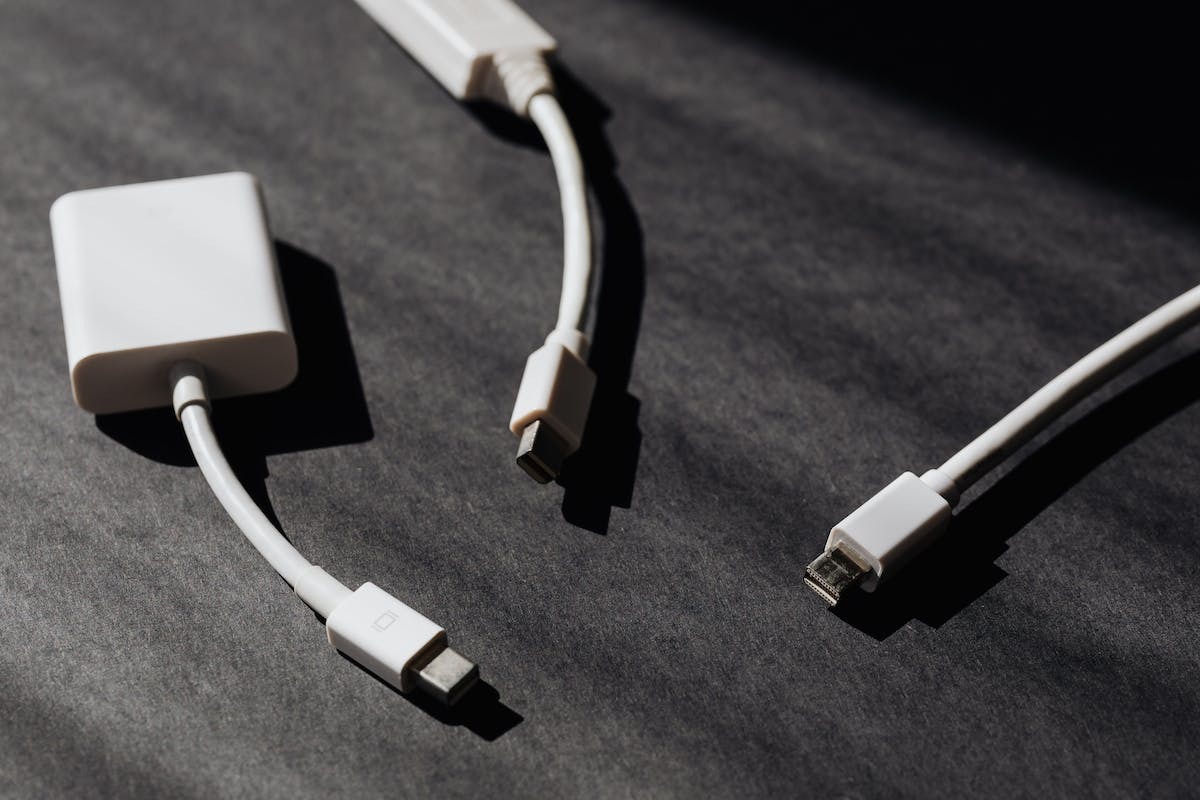
Before Repairing Your USB Drive: Essential Precautions to Take!
To recover your data from a damaged USB drive, there are different repair techniques to implement. These methods can vary depending on the type of damage your drive has suffered and your technical skills. Here are some of the most commonly used techniques:
Change the cable or adapter: Sometimes, the malfunction of a USB drive can be due to a faulty cable or a poorly connected adapter. In this case, simply replacing the cable or adapter can resolve the issue.
Use CHKDSK (Check Disk): CHKDSK is a command built into Windows that allows you to check and repair errors on a hard drive or a damaged USB drive. To use this command, simply open a CMD window (command prompt), then execute the command ‘chkdsk X: /f’ replacing ‘X’ with the letter corresponding to your USB drive.
Use specialized software: There are several software programs specifically designed to recover data from damaged removable media such as USB drives. These include tools like Recuva, PhotoRec, TestDisk, and MiniTool Power Data Recovery. These programs can analyze your USB drive and attempt to restore lost files.
Disassemble the outer casing: If the failure is only from the outer casing of your USB drive and not the internal circuit, it is possible to disassemble the casing and connect the circuit directly to another device. This may allow you to access the data on your USB drive.
Seek professional services: If none of the methods mentioned above work or if you are not comfortable with technical manipulations, it is advisable to seek professional services specialized in data recovery from damaged digital media. These experts have the necessary equipment and knowledge to attempt to recover your data safely.
Recovering Your Data: Repair Techniques to Achieve This
Now that you have successfully repaired your damaged USB drive and recovered your precious data, it’s time to consider preventive measures to avoid encountering this kind of problem again. Here are some simple but effective recommendations:
• Always eject your USB drive properly: When using a USB drive, make sure to eject it properly before physically removing it from the port. This step ensures that all ongoing operations are completed and thus reduces the risk of file damage.
• Handle with care: USB drives are often fragile and sensitive to physical shocks. Therefore, avoid dropping them or carelessly tossing them into your bag or pocket. Handle them gently, ensuring not to apply excessive pressure on the connector or casing.
• Protect your drive from viruses: Use reliable antivirus software to regularly scan your USB drive for any malicious files. Also, be careful not to insert your drive into potentially infected computers.
• Avoid extreme temperatures: USB drives do not appreciate intense cold or excessive heat. Therefore, avoid exposing them to overly hot or cold environments, such as the inside of a car in full sun or a freezer.
• Regularly update your drivers: If you encounter compatibility issues between your USB drive and your operating system, consider updating the corresponding drivers. Check the manufacturer’s website for the latest available versions.
• Opt for a quality USB drive: When purchasing a new USB drive, prioritize reputable and respected brands over cheap and unknown models. Good manufacturing quality generally ensures better durability and reliability.
By following these simple yet important recommendations, you will significantly increase your chances of avoiding any future problems with your USB drive and thus keep your precious data safe.
Avoiding Future Problems: Recommendations for a Worry-Free USB Drive
In addition to the preventive measures mentioned earlier, there are also some additional tips to extend the lifespan of your USB drive and reduce the risks of file corruption.
• Use a recovery software: In the unfortunate event that your USB drive is damaged or has lost data, you can use specialized recovery software. These tools are designed to analyze the storage medium and attempt to restore lost files. Be sure to choose reliable software recommended by experts.
• Avoid abrupt disconnections: When using a USB drive, avoid abrupt or unexpected disconnections as much as possible, as these can cause errors or partial data loss during writing. Make it a habit to regularly save your documents when they are being used from the USB drive to minimize risks.
• Limit the number of simultaneous operations: If you need to access multiple files on your USB drive, try to limit the number of simultaneous operations as much as possible. Overloading the flash memory can lead to premature wear of the device and thus increase the risk of damage.
• Perform regular formatting: Regular formatting not only permanently removes all unwanted traces from your USB drive but also refreshes the file system and optimizes performance. However, always make sure to back up important data beforehand.
• Physically protect the USB drive: If you often carry your USB drive with you, it is advisable to use a case or sleeve to protect it from shocks and scratches. Avoid leaving your USB drive in a dusty or humid environment that could damage it.
By following these additional tips, you will maximize your chances of keeping your data intact on your valuable USB drive. Remember that even though it may seem small and insignificant, this little piece of technology often contains invaluable information, so be sure to protect it well.