
Deciding on the right time to move your child from the crib to their own room is often a delicate task for parents. Too early, it can be unsettling; too late, it can create an unhealthy dependency. This crucial moment in a child’s development requires meticulous preparation and a smooth transition. A myriad of tips exists to assist with this transition, varying according to the child’s age, development, and temperament. Some stand out for their effectiveness and universal relevance. Let’s immerse ourselves in these suggestions from child development specialists and experienced parents.
Preparing for the baby’s transition to independence: key steps to follow
The importance of the transition from crib to room cannot be underestimated, and to ensure a smooth transition, it is essential to create a favorable environment. When the ‘baby moves out of the crib’, a new adventure begins: a new world opens up to them, stimulating their development while ensuring their safety is paramount.
The wise choice of furniture is crucial at this stage. It is advisable to opt for a bed suitable for your child’s size and age • low enough to minimize the risk of injury if the ‘baby gets out of the crib’. Safety rails can also provide reassuring preventive measures.
Decoration also plays a key role in this transition. Calming colors promote sleep while attractive visual elements stimulate curiosity during waking phases. Involving your child in choosing patterns or themes can facilitate their adaptation and ownership of the new space.
Don’t forget about adequate storage arrangements: for example, set up colorful boxes or low shelves so that your ‘baby can get out of the crib’ and easily access their toys, thus gradually developing their independence.
Finally, some practical details deserve our full attention: a soft nightlight can help when the baby wakes up during the night; as for the thermostat, it is recommended to keep a temperature around 19°C to ensure optimal thermal comfort for little adventurers who are ready when their moment arrives and when their ‘baby gets out of the crib’.
Remember that this period is often more challenging for parents than for their children; thus, taking care of this arrangement will benefit both your child’s overall well-being and your nights!
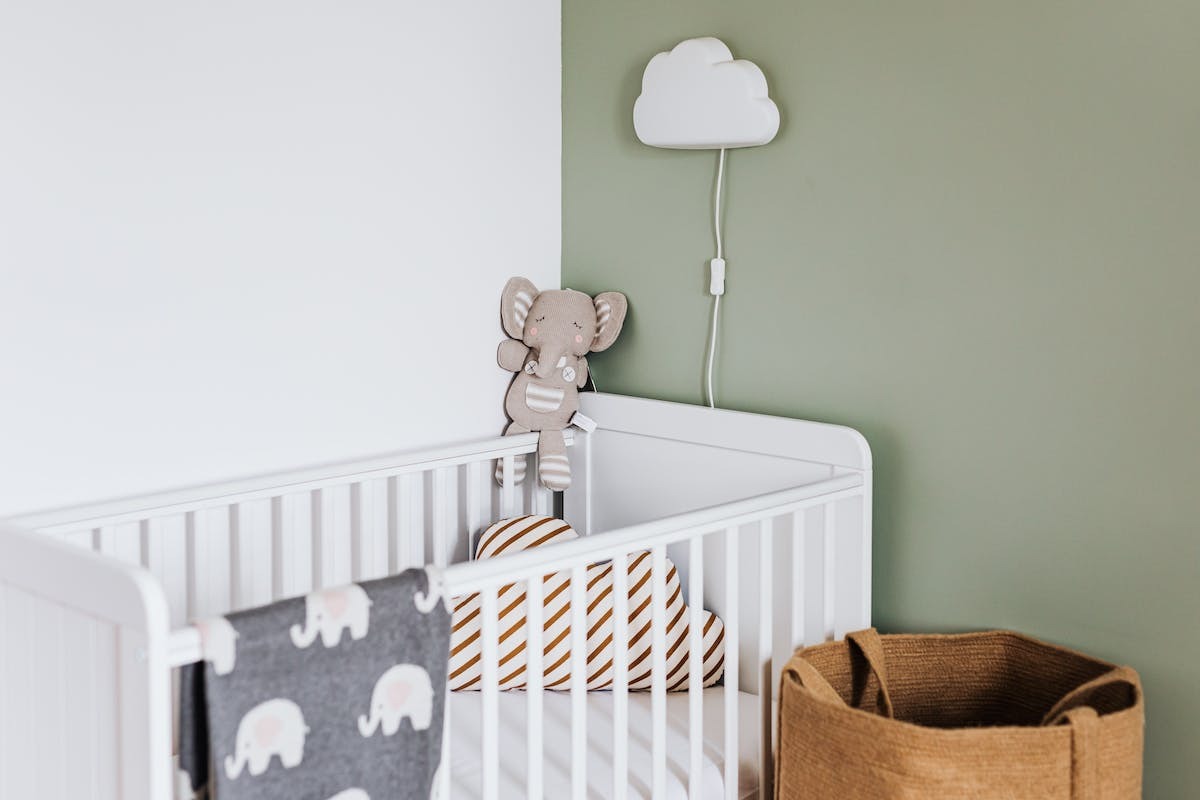
Creating a conducive environment for baby’s independence: keys to success
When it comes time to move the baby from the crib to the room, you must pay attention to both their comfort and safety.
The choice of furniture is of paramount importance during this transition. Opt for a bed suitable for your child’s age and size, favoring a low model to avoid any risk of falling if the baby gets out of the crib. Using safety rails is also a reassuring measure for parents.
Decoration also plays a key role in this process. Calming colors promote sleep while attractive visual elements stimulate curiosity during waking moments. Involve your child in choosing patterns or themes so that they feel engaged and invested in their new space.
Don’t forget about adequate storage arrangements. Colorful boxes or low shelves allow the baby to easily access their toys, thus promoting their gradual independence.
Some practical details deserve our full attention: a soft nightlight can be helpful when the baby wakes up during the night; as for the thermostat, maintaining a temperature around 19°C ensures optimal thermal comfort for little adventurers who are ready to take the big leap and get out of the crib.
You should note that this period can be more challenging for parents than for their children. Taking care of the room’s arrangement will have significant benefits for both your child’s overall well-being and your peaceful nights.
A smooth transition to independence: tips to know
Establish fixed schedules for key moments such as bedtime and wake-up time. This allows your baby to know what to expect each day. Choose times that suit your family and stick to them as much as possible, even on weekends or holidays.
Before bedtime, create a calm and relaxing atmosphere. Avoid overly stimulating activities like television or video games. Instead, favor soothing activities such as reading a story or listening to soft relaxing music. These bedtime rituals will help the baby gradually relax.
Be sure to establish a consistent bedtime routine. For example, start with a warm bath followed by a gentle massage with a nourishing body oil specially designed for babies. Dress them comfortably in their favorite pajamas and settle down comfortably in their room to share a peaceful moment together.
During these special moments before bedtime, be sure to create a warm atmosphere by using dim lighting and speaking calmly with your child. Encourage them to express their emotions and listen attentively. This will strengthen the parent-child bond and help the baby feel secure in their new space.
Be sure to remain patient and persistent during this transition period. Every child is unique, and some may adapt more quickly than others. Continue to support your child throughout the process, providing reassuring presence and positive encouragement.
By establishing a stable and comforting routine, you actively contribute to facilitating your baby’s transition from the crib to the room. This change represents an important milestone in their life, but with love, attention, and a caring approach, you can make this step as smooth as possible for the whole family.
Establishing a routine to promote baby’s independence: practical tips
Although most babies naturally adapt to the transition from crib to room, you should prepare for potential issues that may arise during this period. Here are some tips for effectively managing these delicate situations.
If your baby has trouble falling asleep or experiences sleep difficulties after the change, it may be helpful to evaluate the environment of their new room. Ensure there are no disruptive elements such as too much light, noise, or inappropriate temperature. Also, check if the mattress and bedding are comfortable and suitable for their age.
In some cases, your child may express anxiety related to the change. If this happens, offer them additional support by staying close while they fall asleep or using a comforting object like a favorite stuffed animal. You can also try relaxation techniques such as guided meditation to calm their mind before bedtime.
Another common issue during this transition is frequent night awakenings. You should wait a few minutes before intervening so they can learn to fall back asleep on their own. If persistent awakenings become a problem, you may consult a healthcare professional for additional advice.
Some children may also show sleep regression or behavioral issues during this transition period. In these cases, you should establish clear and consistent boundaries around bedtime. Remain firm yet loving in your interactions with your child and calmly explain the new rules regarding sleep.
Remember that every child is unique and may have their own way of coping with change. Be attentive to their individual needs and adjust your approaches accordingly. With time, patience, and plenty of love, the transition from crib to room will go smoothly for the whole family.
Managing potential issues during baby’s independence learning: solutions
Once your baby is settled in their new room, you need to provide them with the necessary tools to develop their independence and feel secure. Here are some practical tips to encourage this transition towards greater independence.
Create a conducive environment: Arrange your baby’s room so that they can easily access their belongings. Place low shelves or bins where they can store their toys, books, and clothes. This will allow them to learn the importance of taking care of their things and being responsible.
Encourage self-care: Allow your baby to handle their daily needs as much as possible, such as eating, drinking, or dressing. Offer them age-appropriate meals in the form of easy-to-grasp foods and encourage them to use a small open cup to drink independently. Also, choose clothes with snap buttons or easy-to-manage zippers so they can start to manage on their own.
Promote free play: Allocate time each day for your child to explore their personal space freely and without constraints. Free play stimulates imagination, creativity, and builds self-confidence in young children.
Involve them in household tasks: As your child grows, you should give them age-appropriate responsibilities. Invite them to participate in simple household tasks such as tidying up their toys, helping set the table, or watering plants. This will help them develop their self-confidence and sense of responsibility.
Encourage emotional expression: Teach your baby that it is normal to express their emotions. Show them how to name what they feel and encourage them to find solutions to manage their own frustrations or sadness. Healthy communication will also strengthen the bond between you.
Respect their pace: Every child develops differently and has their own learning and development rhythm. Be patient, respect their timing, and be there to support them when they encounter difficulties.
By putting these tips into practice, you will help your baby in this important step towards greater independence while strengthening your parent-child bond.
Tips to encourage baby’s independence: simple and effective tricks
When your baby starts sleeping in their own room, it is essential to establish an effective bedtime routine to promote peaceful and regular sleep. A consistent and comforting routine will help your child relax and mentally prepare for the night ahead.
1️⃣ Create a soothing environment: Ensure that your baby’s room is conducive to sleep by controlling the temperature, minimizing outside noise, and managing the lighting. Blackout curtains, soft nightlights, or relaxing music can be valuable allies in creating a serene cocoon.
2️⃣ Establish reassuring rituals: Set up enjoyable rituals before bedtime such as a warm bath, a calm story, or cuddling with you. These moments of parent-child connection will strengthen emotional bonds while signaling to your little one that bedtime is approaching.
3️⃣ Maintain a regular schedule: Try to keep a consistent schedule for bedtime and wake-up times as much as possible. Regularity will help naturally adjust your baby’s biological rhythm, making it easier for them to fall asleep without resistance or agitation.
4️⃣ Avoid stimulating activities: Limit stimulating activities before bedtime as much as possible. Avoid screens, overly active games, or animated discussions to allow your baby to gradually relax.
5️⃣ Use relaxation techniques: Relaxation techniques can be beneficial for calming the mind and body. Try to incorporate deep breathing exercises, gentle massages, or even relaxing lullabies into the bedtime routine.
6️⃣ Stay calm and positive: Your own attitude during this period is essential. Remain serene and kind towards your baby, even if some nights are more challenging than others. A peaceful atmosphere will promote harmonious falling asleep.
By following these simple yet effective tips, you will create a pleasant bedtime routine that will help your baby develop healthy sleep habits and feel secure in their transition to their personal bed.
Also remember that every child is unique, so feel free to adjust this routine according to the specific needs of your little treasure.